
In a digital-first economy, disconnected tools and siloed platforms can significantly limit growth and operational efficiency. EMPATH TECH FZCO partners with enterprises to design unified, scalable technology ecosystems that eliminate fragmentation and drive measurable business impact. At the heart of this transformation lies the adoption of integrated digital systems—a strategic approach that connects applications, data, infrastructure, and workflows into a seamless operational framework.
Modern businesses depend on speed, accuracy, and agility. Integrated digital systems enable organizations to align technology with business strategy, optimize performance, and create long-term competitive advantage. This article explores the business value of integrated digital systems and why they are essential for sustainable growth.
Understanding Integrated Digital Systems
What Are Integrated Digital Systems?
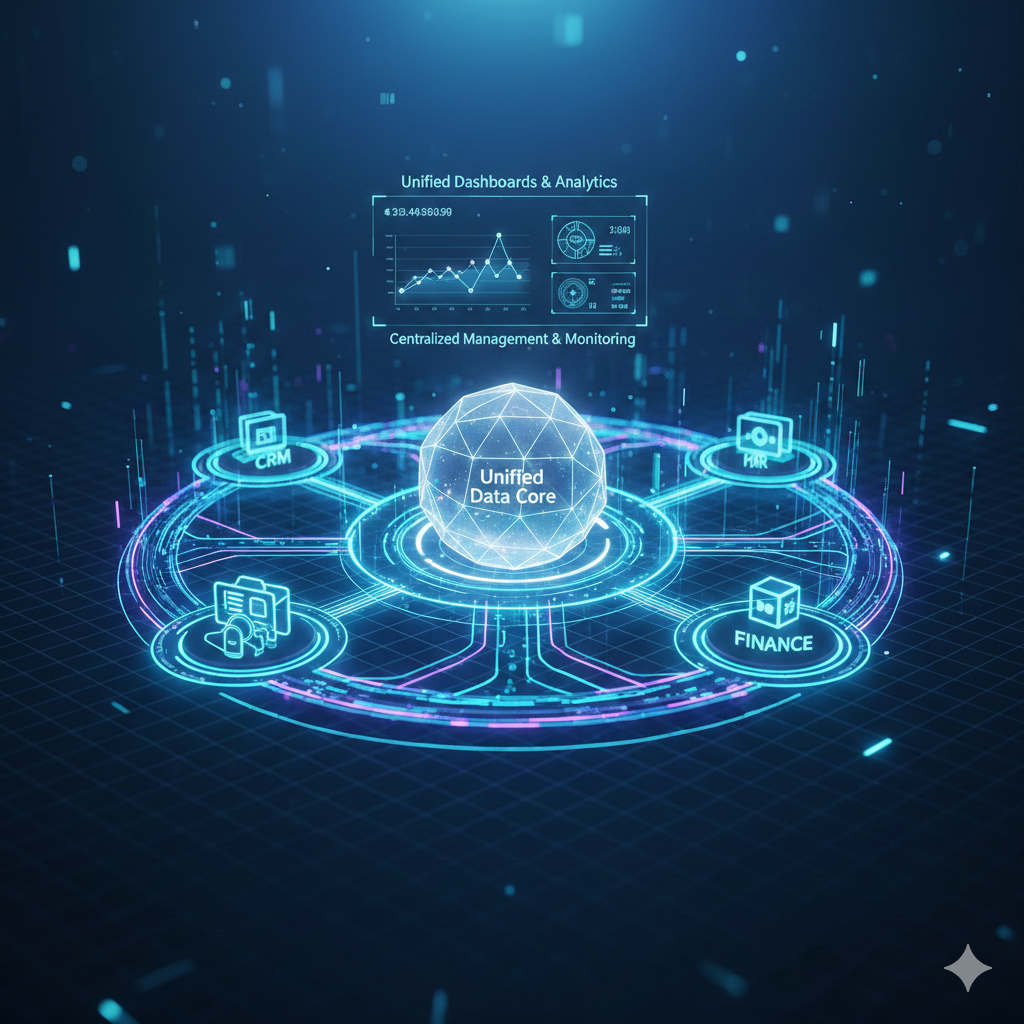
Integrated digital systems refer to interconnected software platforms and infrastructure components that share data, processes, and communication channels in real time. Instead of operating as isolated applications, these systems function as a unified digital ecosystem.
Key characteristics include:
- Seamless data exchange across platforms
- Unified dashboards and analytics
- Centralized management and monitoring
- Automated workflows
- API-driven integration
Integrated digital systems, supported by structured enterprise system integration, reduce redundancy and enhance coordination across departments.
Why Integration Matters in Modern Enterprises
Organizations often use multiple tools for CRM, ERP, HR, finance, supply chain, and analytics. Without integration:
- Data inconsistencies emerge
- Processes become fragmented
- Reporting accuracy declines
- Collaboration suffers
Integrated digital systems ensure consistency, visibility, and efficiency across the enterprise.
Eliminating Operational Silos
Connecting Departments and Workflows
One of the most immediate benefits of integrated digital systems is the removal of operational silos. Integration enables:
- Finance teams to access real-time sales data
- HR systems to sync with payroll and performance platforms
- Operations to coordinate seamlessly with supply chain systems
Cross-functional collaboration improves significantly when systems communicate seamlessly.
Real-Time Data Synchronization
Integrated digital systems provide a single source of truth by ensuring:
- Real-time data updates
- Consistent reporting metrics
- Unified performance dashboards
Accurate data improves strategic decision-making.
Driving Efficiency Through Automation
Streamlined Workflow Management
Integrated digital systems automate processes that previously required manual coordination, such as:
- Customer onboarding
- Order processing
- Compliance reporting
- Inventory updates
Automation reduces human error and increases operational speed.

Intelligent Process Optimization
Modern integrated digital systems often incorporate AI and analytics to:
- Identify process bottlenecks
- Predict operational demands
- Optimize resource allocation
Continuous optimization enhances productivity.
Enhancing Data-Driven Decision-Making
Centralized Analytics Platforms
Integrated digital systems consolidate data from multiple sources into unified analytics environments. This enables leadership to:
- Monitor KPIs in real time
- Identify growth opportunities
- Forecast performance trends
Strategic decisions become data-informed rather than reactive.
Improved Visibility Across Operations
With integrated systems, executives gain visibility into:
- Financial performance
- Customer engagement
- Operational efficiency
- Compliance status
Holistic insight strengthens governance and planning.
Supporting Scalability and Growth
Infrastructure That Scales With Demand
Integrated digital systems are often built on cloud-native architectures, allowing organizations to:
- Scale applications automatically
- Expand into new markets
- Integrate additional services seamlessly
Scalability ensures systems remain reliable during expansion, particularly when supported by strategic digital platform development aligned with long-term business growth.

Facilitating Mergers and Acquisitions
When organizations grow through acquisition, integration becomes critical. Integrated digital systems enable:
- Rapid system consolidation
- Unified data management
- Standardized workflows
This reduces disruption and accelerates integration.
Strengthening Security and Compliance
Centralized Security Controls
Integrated digital systems allow organizations to implement:
- Unified identity and access management
- Centralized threat monitoring
- Consistent encryption policies
Security frameworks become more cohesive and manageable.
Regulatory Compliance Support
Enterprises operating in regulated industries benefit from integrated digital systems that:
- Maintain audit logs
- Automate compliance reporting
- Enforce data governance standards
Compliance processes become streamlined and transparent.
Improving Customer Experience
Seamless Customer Journeys
Integrated digital systems ensure consistent customer interactions across channels, including:
- Online platforms
- Customer support
- Sales teams
- Service delivery
This unified experience enhances satisfaction and loyalty.

Personalized Engagement
Data integration allows organizations to:
- Analyze customer behavior
- Deliver personalized recommendations
- Improve service responsiveness
Personalization strengthens brand differentiation.
Reducing Costs and Increasing ROI
Eliminating Redundant Systems
Disconnected systems often duplicate functions. Integrated digital systems:
- Consolidate tools
- Reduce licensing costs
- Simplify maintenance
Cost efficiency improves through rationalization.
Long-Term Strategic Value
Although integration may require upfront investment, the long-term benefits include:
- Lower operational expenses
- Reduced downtime
- Improved productivity
- Enhanced innovation capacity
ROI grows over time as efficiency increases.
Best Practices for Implementing Integrated Digital Systems
Conduct a Comprehensive Systems Audit
Before integration, organizations should:
- Evaluate existing platforms
- Identify overlapping functionalities
- Assess data flow challenges
Clear planning reduces complexity.
Adopt API-Driven Architecture
Modern integrated digital systems rely on APIs to ensure seamless connectivity between platforms. This approach supports:
- Flexibility
- Scalability
- Future technology adoption
API-driven models ensure long-term adaptability.
Prioritize Security and Governance
Integration should include:
- Strong access controls
- Continuous monitoring
- Data governance frameworks
Security must evolve alongside integration.
The Future of Integrated Digital Systems
As enterprises continue to digitize operations, integrated digital systems will become increasingly intelligent. Emerging technologies will enable:
- AI-driven process automation
- Predictive analytics
- Autonomous system optimization
- Real-time global data synchronization
Integration will extend beyond internal systems to include partners, customers, and ecosystem platforms.
Conclusion
The adoption of integrated digital systems delivers measurable business value by eliminating silos, automating workflows, enhancing data visibility, and supporting scalable growth. Organizations that invest in integration create cohesive digital ecosystems that improve efficiency, security, and customer experience.
With strategic expertise from EMPATH TECH FZCO, enterprises can design and implement integrated digital systems that align with long-term business objectives and support sustainable digital transformation. In a competitive digital landscape, integration is no longer optional—it is essential for operational excellence and strategic success.