
In today’s rapidly evolving digital economy, businesses must continuously evaluate whether their technology foundation can support growth, security, and innovation. EMPATH TECH FZCO, a forward-thinking technology solutions provider, understands that timely IT infrastructure modernization is often the difference between stagnation and sustainable success. Modernization is not simply about upgrading hardware—it is about transforming the digital backbone of an organization to remain competitive in a cloud-driven, data-centric world.
This article explores when a company should modernize its IT infrastructure, the warning signs to look for, and how strategic modernization drives long-term value.
Understanding IT Infrastructure Modernization
What Is IT Infrastructure Modernization?
IT infrastructure modernization refers to the process of upgrading or transforming legacy IT systems—including servers, storage, networking, security frameworks, and applications—into modern, scalable, and secure environments.
Modernization may involve:
- Migrating workloads to the cloud
- Implementing hybrid or multi-cloud architectures to leverage the strategic advantages outlined in modern hybrid cloud environment benefits
- Replacing outdated hardware
- Adopting virtualization and containerization
- Enhancing cybersecurity frameworks
- Automating infrastructure management
Rather than a simple refresh, IT infrastructure modernization is a strategic transformation aligned with business objectives.
Why Modernization Is a Strategic Priority
Outdated infrastructure can create performance bottlenecks, increase security vulnerabilities, and slow innovation. Modern infrastructure enables:
- Greater operational efficiency
- Enhanced system reliability
- Improved user experience
- Faster time-to-market
- Better cost management
Organizations that proactively modernize position themselves for digital resilience.
Key Signs It’s Time for IT Infrastructure Modernization
Rising Maintenance and Operational Costs
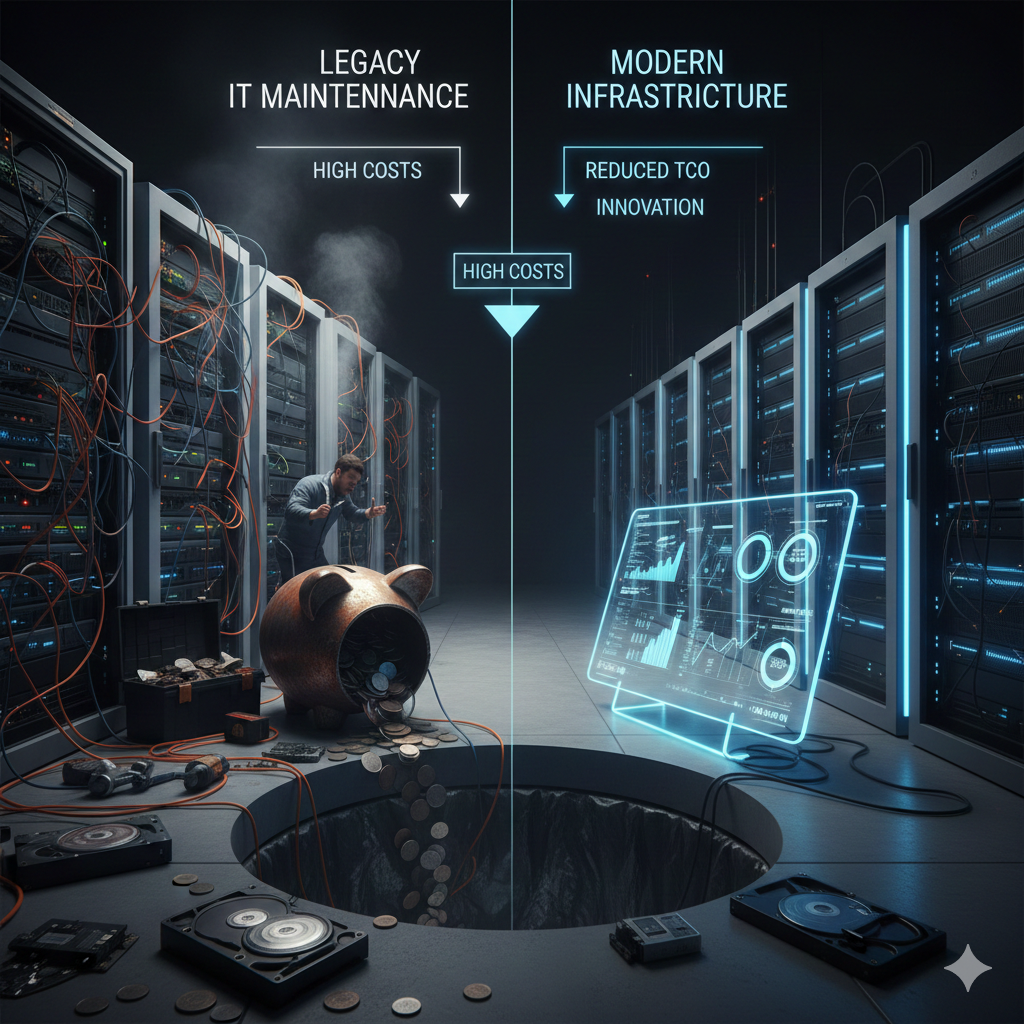
Legacy systems often require frequent maintenance, patching, and hardware repairs. If a significant portion of your IT budget is spent maintaining aging systems rather than innovating, it may be time for IT infrastructure modernization.
Indicators include:
- Increasing hardware failure rates
- Expensive support contracts
- High energy and data center costs
- Difficulty sourcing replacement components
Modern solutions typically reduce total cost of ownership over time.
Frequent Downtime and Performance Issues
Unstable systems disrupt productivity and customer trust. Warning signs include:
- Slow application performance
- Network congestion
- Insufficient storage capacity
- Recurring outages
Modernized infrastructure offers scalability, redundancy, and improved performance reliability.
Security Vulnerabilities and Compliance Gaps
Cybersecurity threats evolve rapidly. Older infrastructure may lack:
- Advanced threat detection tools
- Zero Trust security architecture
- Proper encryption standards
- Real-time monitoring capabilities
IT infrastructure modernization strengthens security posture and ensures compliance with industry regulations through the implementation of a comprehensive enterprise cybersecurity framework.
Business Growth as a Catalyst for Modernization
Expansion Into New Markets
When a company expands geographically or launches new digital services, infrastructure must scale accordingly. Legacy systems may struggle to support:
- Multi-region deployment
- Global user access
- Data localization requirements
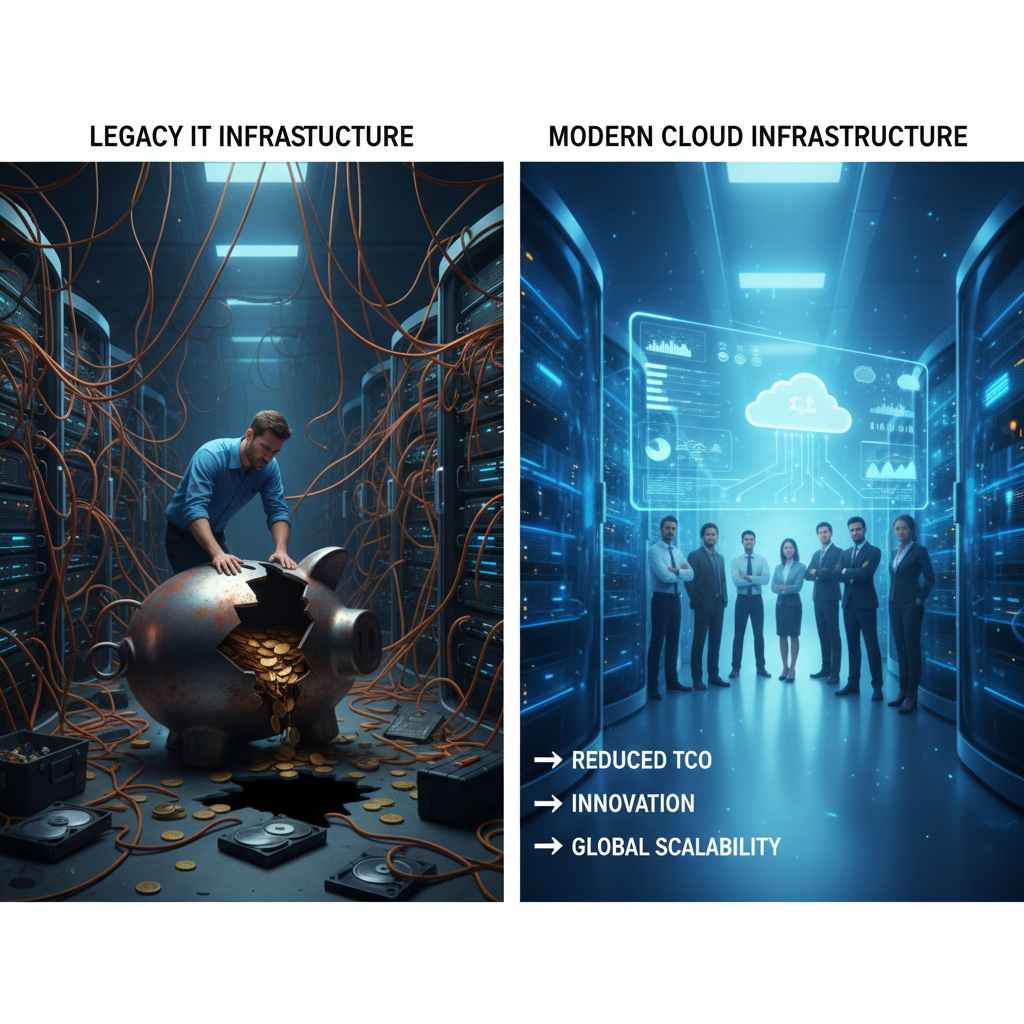
Modernized environments enable seamless expansion.
Digital Transformation Initiatives
Launching e-commerce platforms, SaaS solutions, or AI-driven services often requires cloud-native infrastructure. IT infrastructure modernization supports:
- Agile development practices
- Microservices architecture
- Continuous integration and deployment
Digital transformation and modernization go hand in hand.
Operational Challenges That Signal the Need for Modernization
Limited Scalability
If scaling operations requires manual hardware installation or significant downtime, infrastructure limitations are clear. Modern cloud-enabled environments provide:
- Automatic scaling
- Elastic resource allocation
- Load balancing across regions
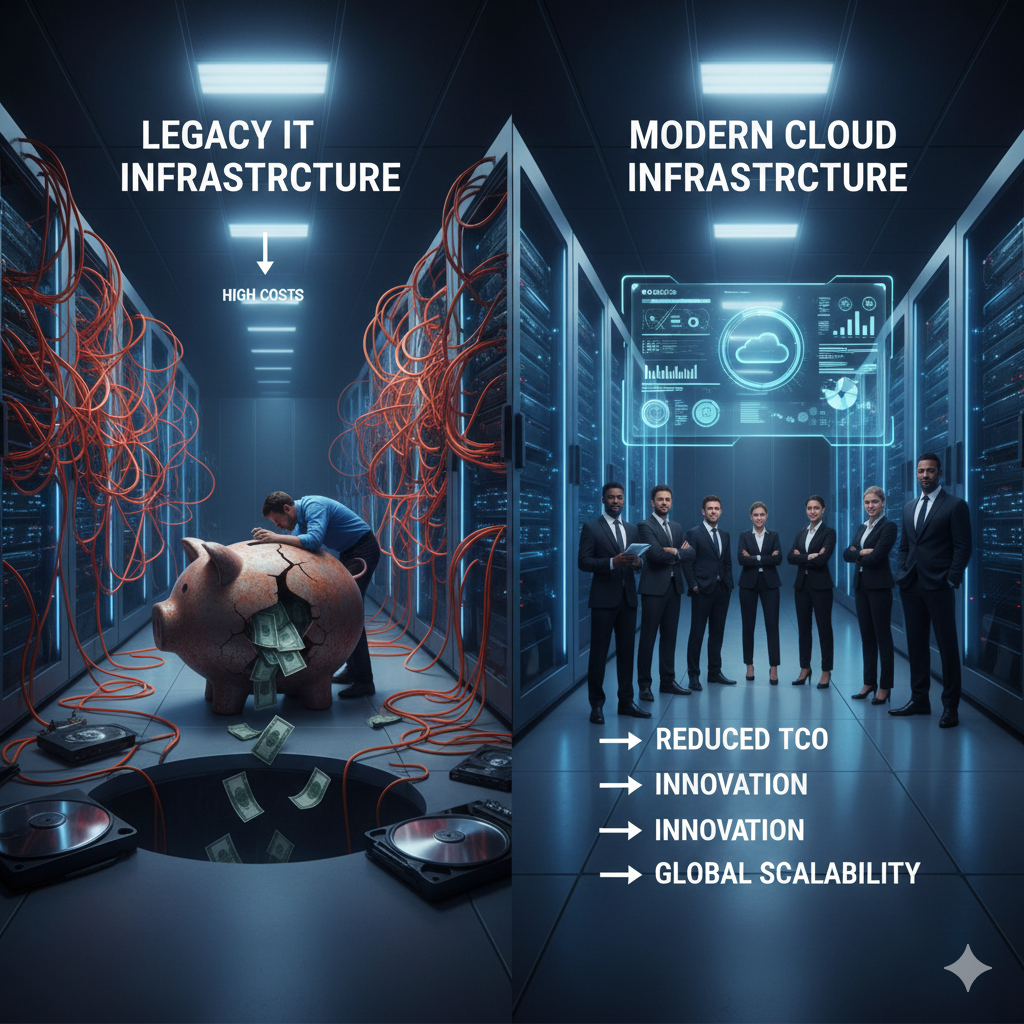
Scalability becomes dynamic rather than reactive.
Lack of Automation
Manual system management slows operations and increases human error. Modern infrastructure incorporates:
- Infrastructure as Code (IaC)
- Automated provisioning
- Intelligent monitoring systems
Automation improves efficiency and reliability.
Workforce and Productivity Considerations
Supporting Remote and Hybrid Work
Modern work environments require secure, flexible access to systems and data. Outdated infrastructure may struggle with:
- VPN performance limitations
- Endpoint security challenges
- Collaboration tool integration
IT infrastructure modernization ensures secure and seamless remote work capabilities.
Improving User Experience
Employee and customer expectations are high. Modern systems provide:
- Faster response times
- Reliable uptime
- Secure digital platforms
Improved infrastructure directly impacts satisfaction and productivity.
Regulatory and Data Governance Drivers
Compliance With Evolving Regulations
Industries such as healthcare, finance, and retail face strict compliance requirements. Legacy systems may lack:
- Continuous compliance monitoring
- Advanced access control mechanisms
- Secure audit logging
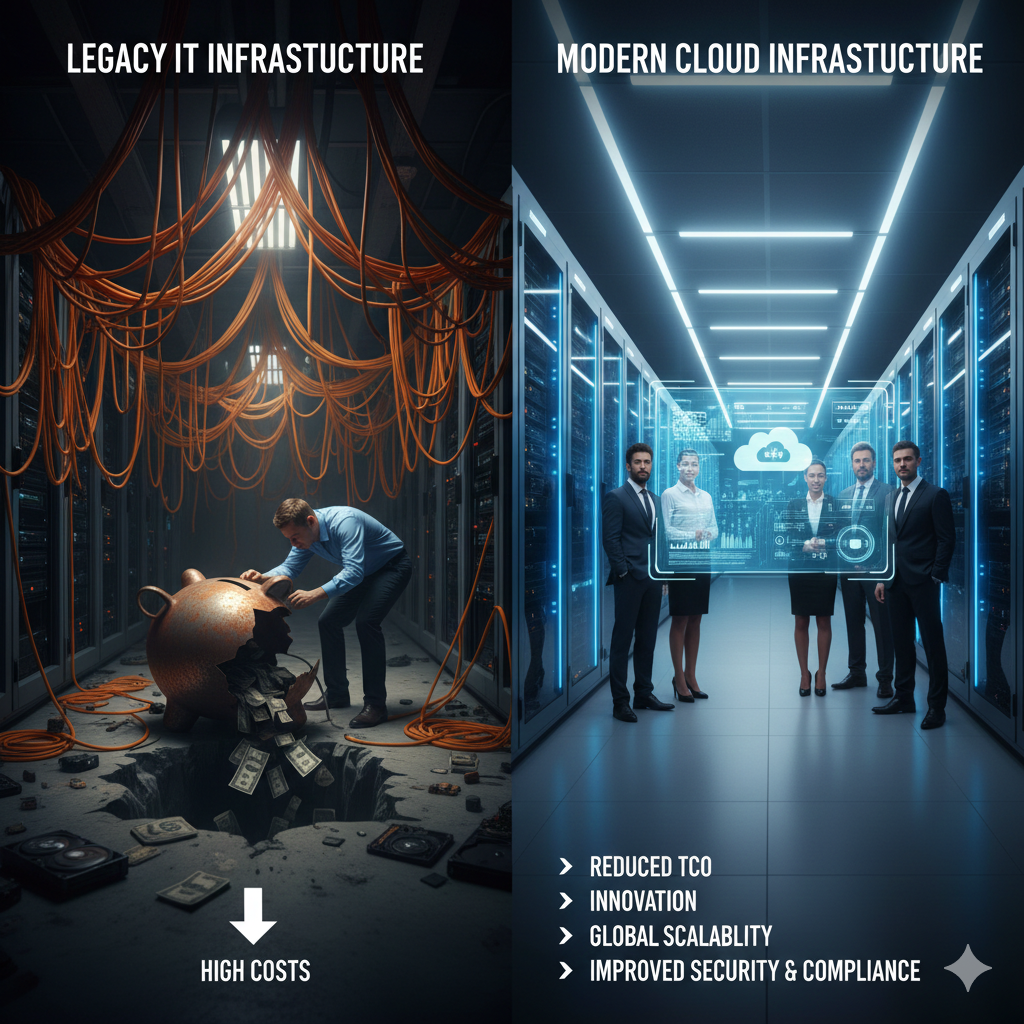
IT infrastructure modernization ensures regulatory readiness.
Enhanced Data Protection
As data volumes grow, robust encryption and governance frameworks are essential. Modern infrastructure integrates:
- Identity and access management
- End-to-end encryption
- Real-time security analytics
Data security becomes embedded in the infrastructure layer.
Evaluating the Cost of Delaying Modernization
Competitive Disadvantage
Competitors leveraging modern cloud and automation technologies can innovate faster, reduce costs, and improve customer experiences.
Delaying IT infrastructure modernization may result in:
- Slower product launches
- Reduced operational agility
- Missed market opportunities
Increased Risk Exposure
Outdated systems are more vulnerable to cyberattacks and operational failures. The cost of a security breach or extended downtime often exceeds the investment required for modernization.
Strategic Approaches to IT Infrastructure Modernization
Phased Modernization
Not all systems need replacement simultaneously. A phased approach allows businesses to:
- Prioritize critical systems
- Minimize disruption
- Manage investment effectively
Gradual modernization reduces operational risk.
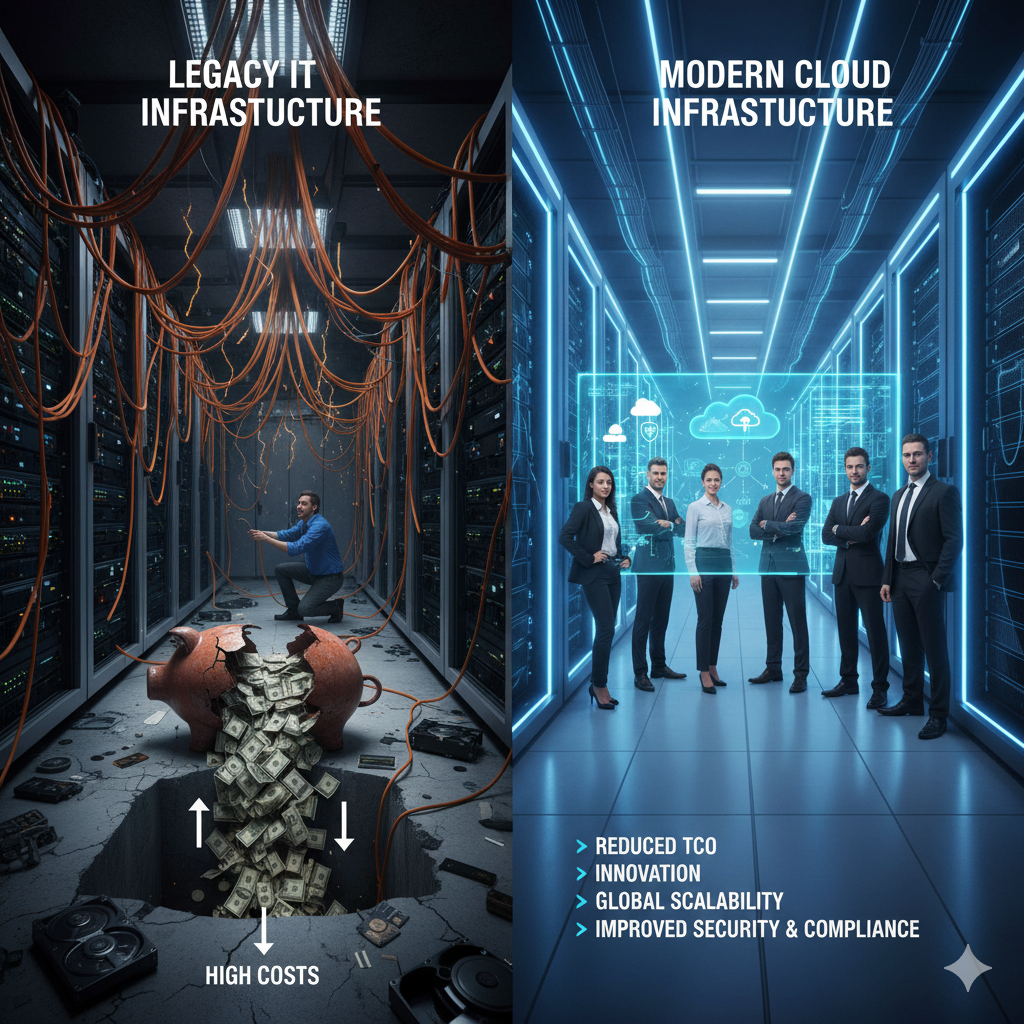
Cloud-First or Hybrid Strategy
Many organizations adopt cloud-first strategies, while others maintain hybrid environments. The right model depends on:
- Regulatory requirements
- Business objectives
- Budget considerations
Modernization should align with long-term strategy.
Aligning Modernization With Business Goals
IT infrastructure modernization should support:
- Revenue growth initiatives
- Digital transformation strategies
- Risk management frameworks
- Sustainability objectives
Infrastructure must evolve alongside business vision.
Conclusion
Recognizing when to pursue IT infrastructure modernization is essential for organizations aiming to stay competitive, secure, and scalable. Rising maintenance costs, security vulnerabilities, limited scalability, and digital transformation demands are clear signals that modernization is necessary.
By proactively modernizing infrastructure, businesses can unlock innovation, improve resilience, and enable sustainable growth. With expert guidance from EMPATH TECH FZCO, companies can strategically plan and execute IT infrastructure modernization initiatives that align with long-term business success and digital excellence.