
In a fast-moving digital economy, businesses must adapt quickly to changing markets, evolving customer expectations, and complex operational demands. EMPATH TECH FZCO works with forward-thinking enterprises to design and deploy tailored digital ecosystems that drive efficiency and competitive advantage. When standard software solutions fail to meet unique operational requirements, investing in custom digital systems becomes not just an option—but a strategic necessity.
While off-the-shelf software can provide quick deployment and lower upfront costs, it often lacks flexibility, scalability, and deep integration capabilities. This article explores when custom digital systems are the right choice and how they support long-term business success.
Understanding Custom Digital Systems
What Are Custom Digital Systems?
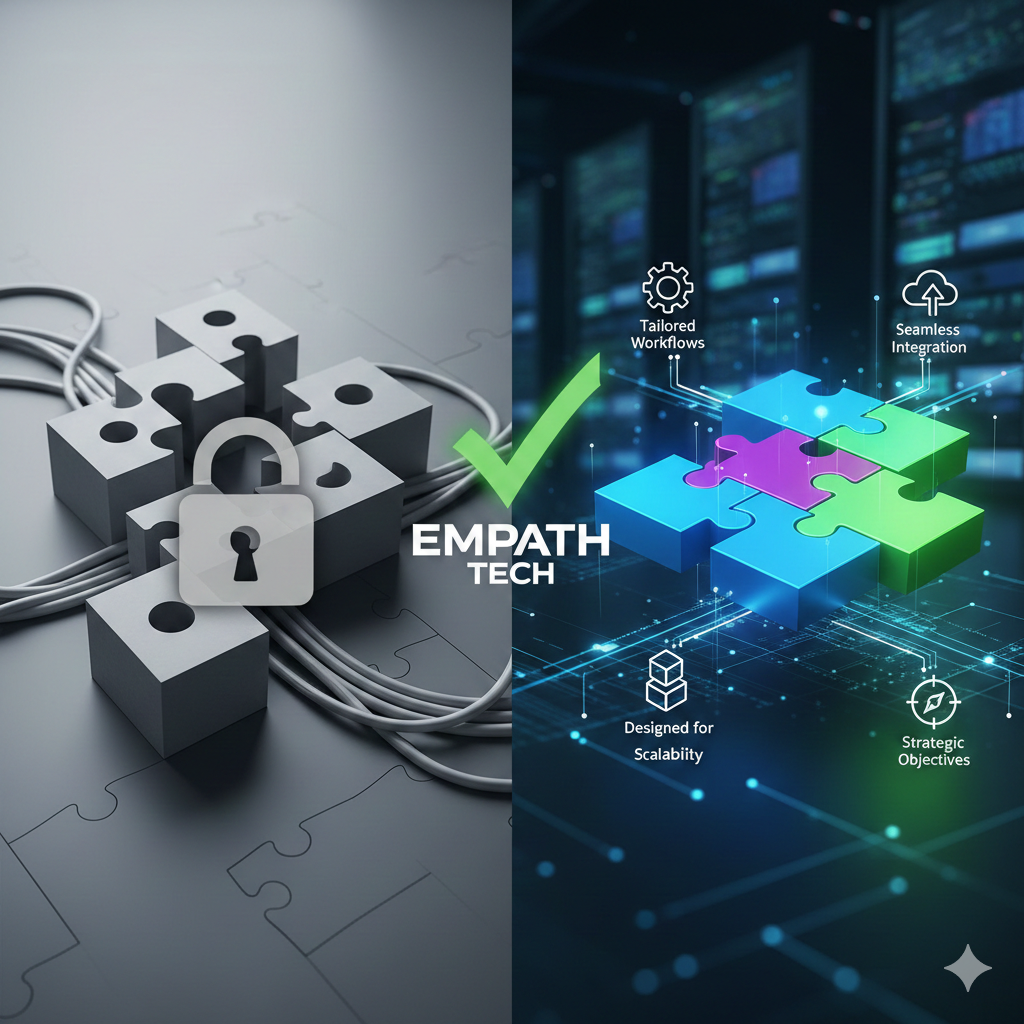
Custom digital systems are purpose-built software and infrastructure solutions designed to meet specific organizational requirements. Unlike generic software, they are:
- Tailored to unique workflows
- Built for seamless integration
- Designed for scalability
- Aligned with strategic business objectives
These systems may include custom applications, enterprise platforms, cloud-based tools, or solutions developed through structured enterprise application development strategies.
How They Differ From Off-the-Shelf Software
Off-the-shelf software is developed for a broad audience. While convenient, it may require businesses to adjust their processes to fit the software’s limitations.
Custom digital systems, by contrast:
- Adapt to existing processes
- Integrate with legacy systems
- Provide greater control over features
- Offer long-term scalability
Customization ensures alignment between technology and operational goals.
Signs That Off-the-Shelf Software Isn’t Enough
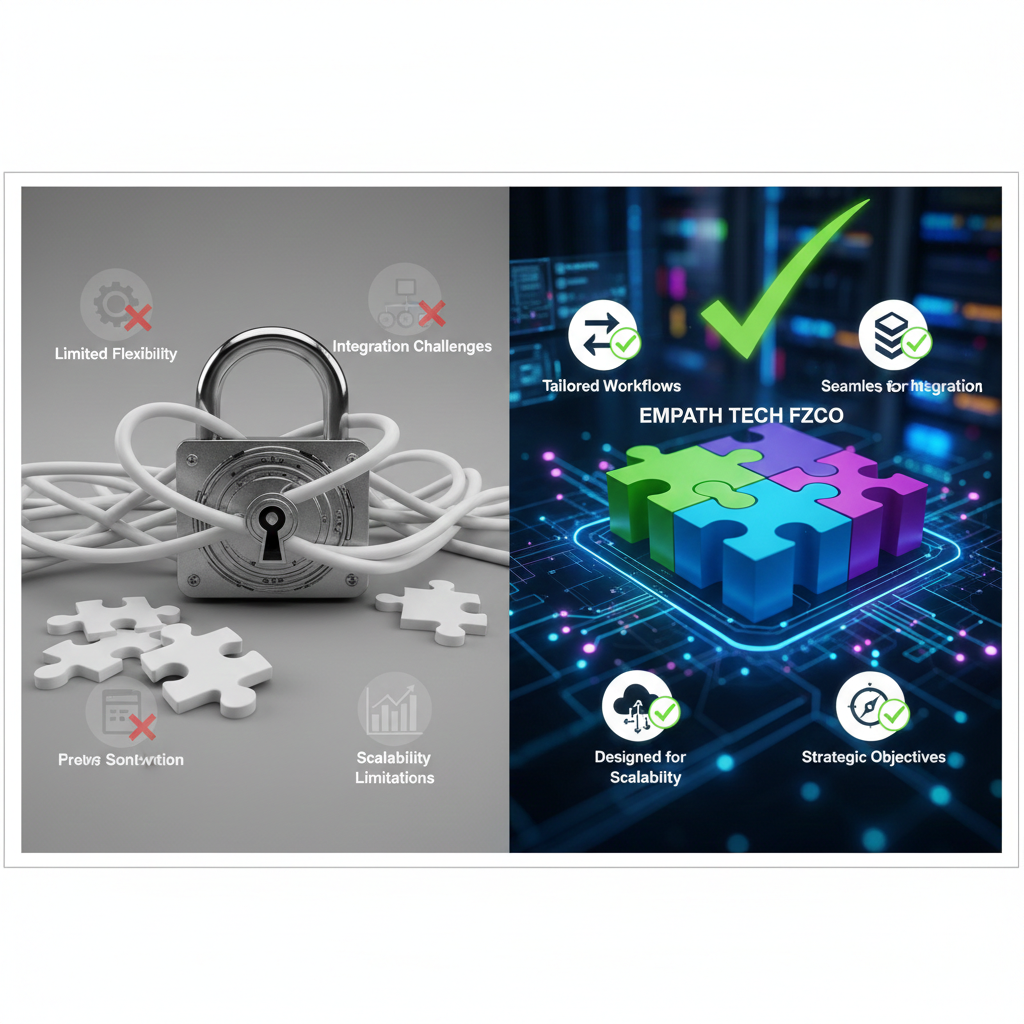
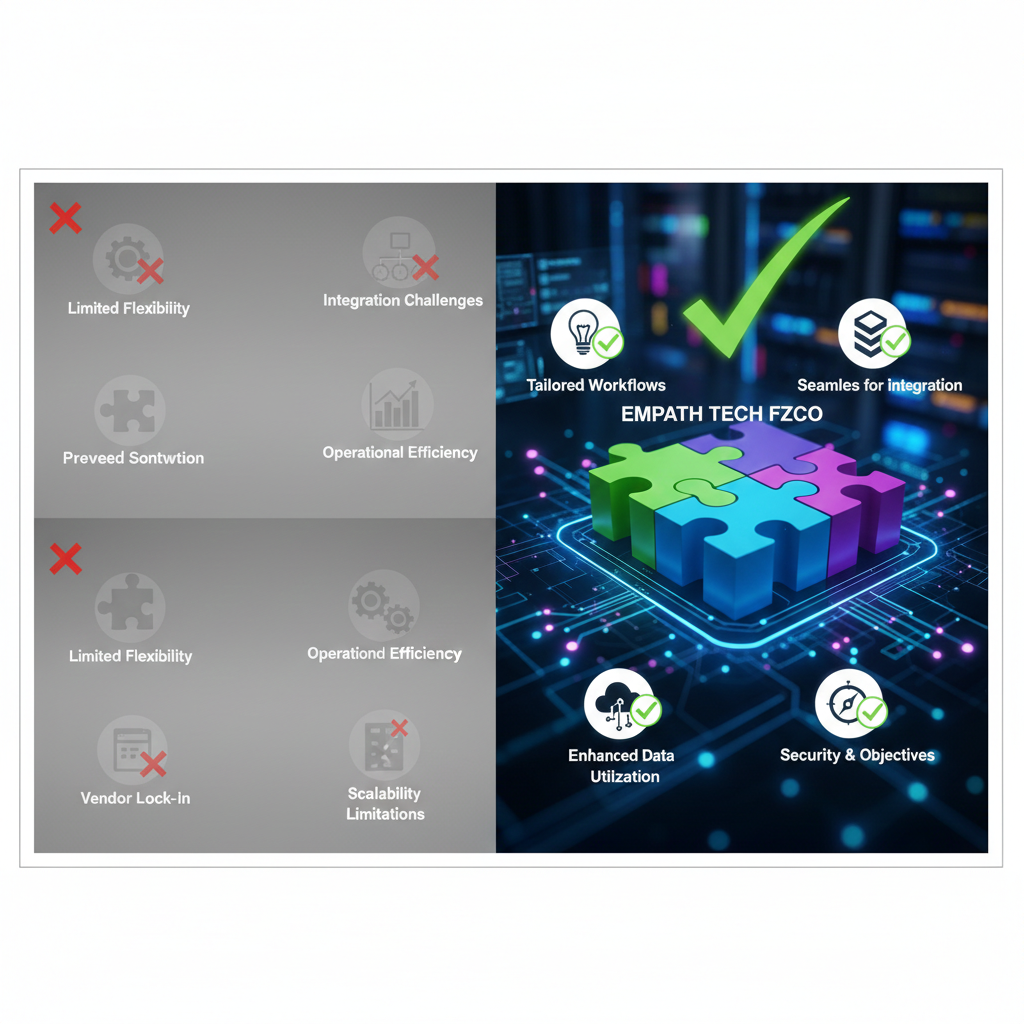
Limited Flexibility
One of the most common indicators that businesses need custom digital systems is inflexibility. Off-the-shelf tools often lack the ability to:
- Modify workflows
- Support unique business models
- Scale efficiently
- Integrate advanced features
When software becomes a constraint rather than an enabler, customization becomes essential.
Integration Challenges
Modern enterprises rely on multiple systems working together. If off-the-shelf software struggles to integrate with:
- CRM platforms
- ERP systems
- Cloud infrastructure
- Data analytics tools
then operational silos may develop. Custom digital systems are built with interoperability in mind, often supported by comprehensive enterprise system integration frameworks that eliminate operational silos.
Scalability Limitations
Growing businesses often outgrow generic solutions. Custom digital systems can be designed to:
- Handle increasing user volumes
- Support expanding datasets
- Enable global deployment
- Adapt to evolving regulatory requirements
Scalability ensures long-term operational sustainability.
Strategic Benefits of Custom Digital Systems
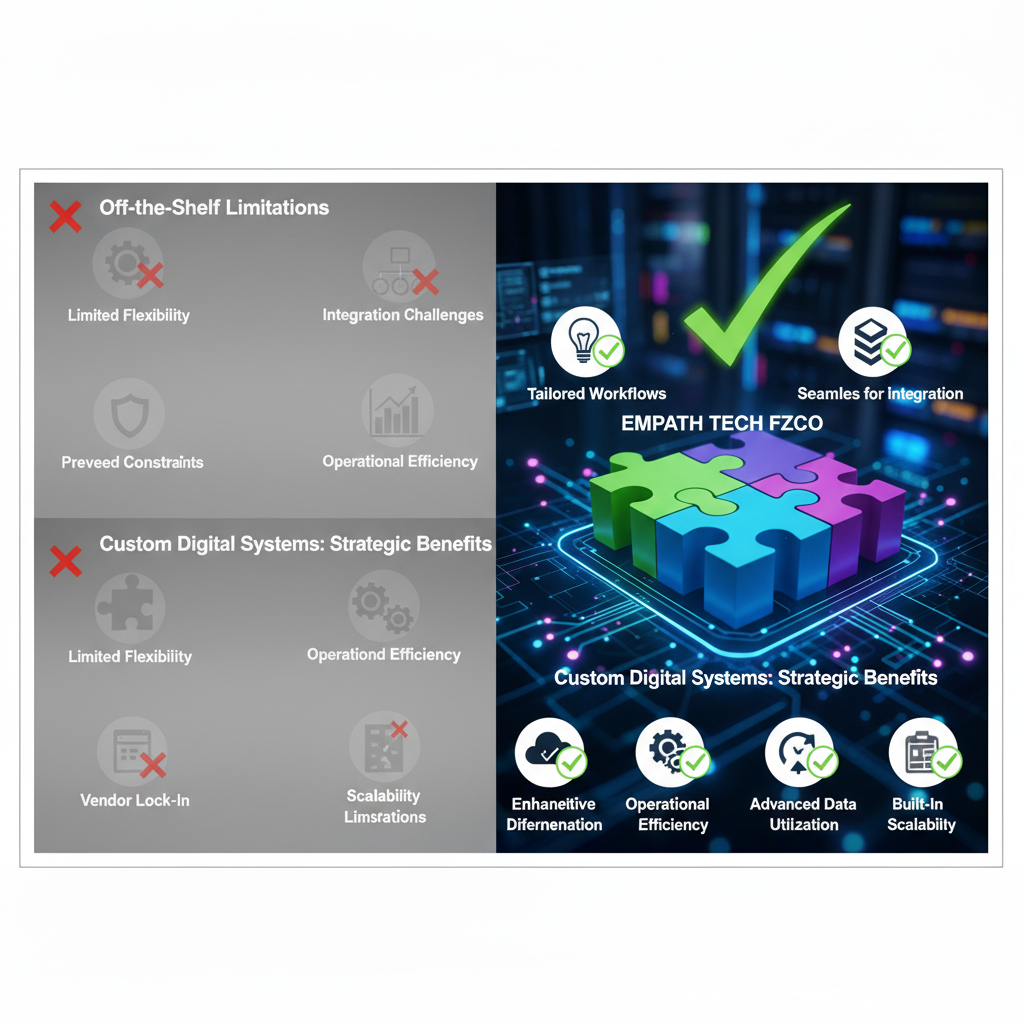
1. Competitive Differentiation
Standardized software leads to standardized processes. Custom digital systems enable businesses to:
- Develop unique customer experiences
- Implement innovative workflows
- Build proprietary digital capabilities
Differentiation strengthens market position.
2. Improved Operational Efficiency
Custom systems eliminate unnecessary features and focus on essential functions. This leads to:
- Streamlined processes
- Reduced manual intervention
- Automated workflows
- Higher productivity
Efficiency gains translate directly into cost savings.
3. Enhanced Data Utilization
Data is a strategic asset. Custom digital systems allow organizations to:
- Integrate data sources seamlessly
- Build real-time dashboards
- Leverage predictive analytics
- Apply AI-driven insights
Better data management supports smarter decision-making.
Supporting Digital Transformation Initiatives
Aligning Technology With Business Strategy
Digital transformation requires systems that align with long-term objectives. Custom digital systems ensure:
- Seamless cloud integration
- Automation across departments
- Secure infrastructure
- Flexible scalability
Alignment between IT and business strategy accelerates transformation.
Enabling Innovation
Custom-built platforms allow businesses to experiment with:
- Emerging technologies
- AI-driven automation
- Advanced analytics
- IoT integration
Innovation becomes embedded in operational processes.
Security and Compliance Advantages
Built-In Security Architecture
Custom digital systems can be designed with security as a foundational principle. This includes:
- Role-based access control
- Zero Trust frameworks
- End-to-end encryption
- Real-time monitoring
Security is tailored to the organization’s risk profile.
Meeting Industry-Specific Regulations
Industries such as healthcare, finance, and logistics require strict compliance. Custom digital systems allow enterprises to:
- Implement regulatory safeguards
- Maintain audit trails
- Manage data governance policies
Compliance becomes easier to manage with tailored systems.
Cost Considerations and Long-Term Value
Upfront Investment vs Long-Term ROI
While custom digital systems require higher initial investment, they often deliver:
- Reduced licensing costs
- Lower integration expenses
- Greater operational efficiency
- Increased scalability
Long-term ROI often outweighs initial development costs.
Avoiding Vendor Lock-In
Off-the-shelf software can create dependency on specific vendors. Custom digital systems offer:
- Greater ownership and control
- Flexible upgrade paths
- Interoperability across platforms
Autonomy enhances long-term strategic flexibility.
When Should Businesses Choose Custom Digital Systems?
Enterprises should consider custom digital systems when:
- Business processes are highly specialized
- Rapid growth demands scalability
- Integration complexity increases
- Compliance requirements are strict
- Off-the-shelf solutions limit innovation
Strategic assessment ensures the right investment decision.
Best Practices for Implementing Custom Digital Systems
Conduct a Thorough Needs Assessment
Before development begins, organizations should:
- Analyze operational requirements
- Identify integration points
- Define scalability goals
- Outline security needs
Clear planning reduces project risks.
Adopt Agile Development Methodologies
Agile frameworks enable:
- Incremental development
- Continuous feedback
- Faster time-to-market
- Flexible feature adaptation
Agility ensures alignment with evolving business needs.
Plan for Future Scalability
Custom digital systems should be designed with:
- Modular architecture
- Cloud-native deployment
- API-driven integration
- Automation capabilities
Future-ready design supports long-term success.
The Future of Custom Digital Systems
As businesses continue to digitize operations, custom digital systems will become increasingly important. Organizations will demand:
- Intelligent automation
- AI-powered decision support
- Integrated digital ecosystems
- Scalable cloud infrastructure
Tailored solutions will define competitive advantage.
Conclusion
When standard software limits growth, innovation, or operational efficiency, investing in custom digital systems becomes a strategic imperative. These tailored solutions provide scalability, security, integration flexibility, and competitive differentiation that off-the-shelf software often cannot deliver.
By partnering with experienced technology leaders like EMPATH TECH FZCO, enterprises can design and implement custom digital systems that align perfectly with business objectives, drive innovation, and support sustainable long-term growth in an increasingly digital world.