
In an increasingly digital economy, operational disruptions can result in financial losses, reputational damage, and regulatory penalties. Businesses today depend heavily on reliable infrastructure, secure systems, and responsive technology teams. EMPATH TECH FZCO supports enterprises in strengthening operational resilience through structured and scalable IT strategies. At the core of this effort is effective IT operations management, a disciplined approach to ensuring that technology systems remain stable, secure, and aligned with business needs.
IT operations are no longer just about maintaining servers or troubleshooting incidents. They represent a strategic function that directly influences business continuity, customer satisfaction, and competitive performance. This article explores how organizations can improve IT operations management to achieve greater business stability and long-term success.
Understanding IT Operations Management
What Is IT Operations Management?
IT operations management (ITOM) refers to the processes, tools, and practices used to monitor, manage, and optimize an organization’s IT infrastructure and services. It encompasses:
- Infrastructure monitoring
- Network management
- Incident and problem management
- Change management
- Capacity planning
- Service delivery oversight
The goal of IT operations management is to ensure continuous system availability, performance, and security.
Why IT Operations Management Is Critical for Stability
Without structured IT operations, businesses may experience:
- Frequent system outages
- Slow application performance
- Security vulnerabilities
- Inefficient resource allocation
- Poor incident response
Strong IT operations management minimizes disruptions and enhances reliability.
Building a Strong Foundation for IT Operations
Establishing Clear Operational Processes
The first step in improving IT operations management is defining structured processes. Organizations should implement:
- Standardized incident response workflows
- Documented change management procedures
- Escalation protocols
- Root cause analysis frameworks
Process clarity reduces confusion and speeds resolution.
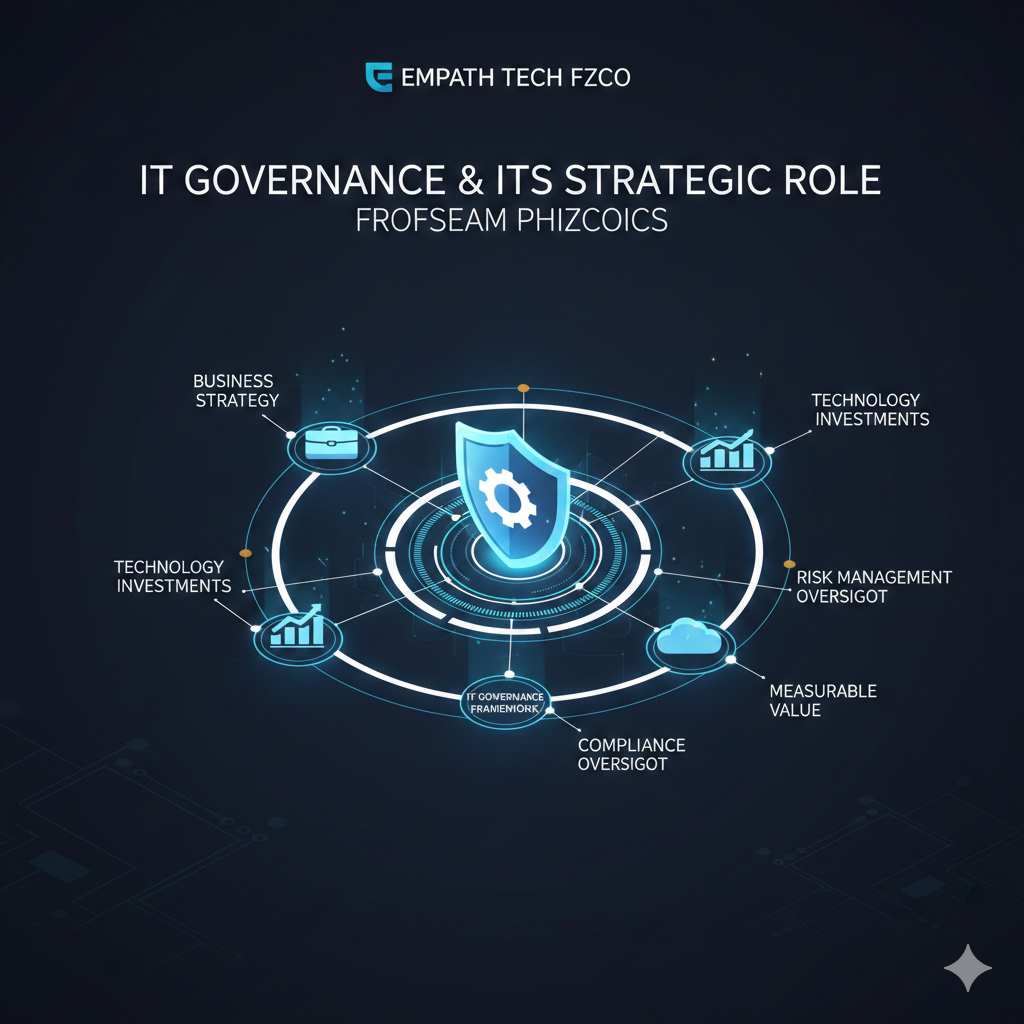
Aligning IT Operations with Business Objectives
IT operations should support business goals such as growth, compliance, and customer satisfaction. This alignment requires:
- Defining service-level agreements (SLAs)
- Monitoring performance metrics
- Collaborating with business units
When IT and business teams work together within a structured IT governance framework, operational stability improves.

Strengthening Infrastructure and Network Reliability
Proactive Monitoring and Alerting
Continuous monitoring is essential in IT operations management. Advanced tools provide:
- Real-time system visibility
- Automated alerts for anomalies
- Performance trend analysis
- Predictive maintenance capabilities
Proactive monitoring prevents minor issues from becoming major disruptions.
Network Optimization and Redundancy
Reliable networks are foundational to stability. Best practices include:
- Implementing redundant connectivity
- Using load balancing techniques
- Segmenting networks for security
- Conducting regular performance testing
Network resilience supports uninterrupted operations.
Enhancing Incident and Problem Management
Rapid Incident Response
Effective IT operations management ensures quick identification and resolution of incidents. Key practices include:
- Centralized helpdesk systems
- Defined severity levels
- 24/7 monitoring and support
- Automated ticketing systems
Faster response times reduce business impact.
Root Cause Analysis and Continuous Improvement
Resolving incidents is not enough. Organizations must:
- Conduct post-incident reviews
- Identify underlying causes
- Implement preventive measures
Continuous improvement strengthens long-term stability.
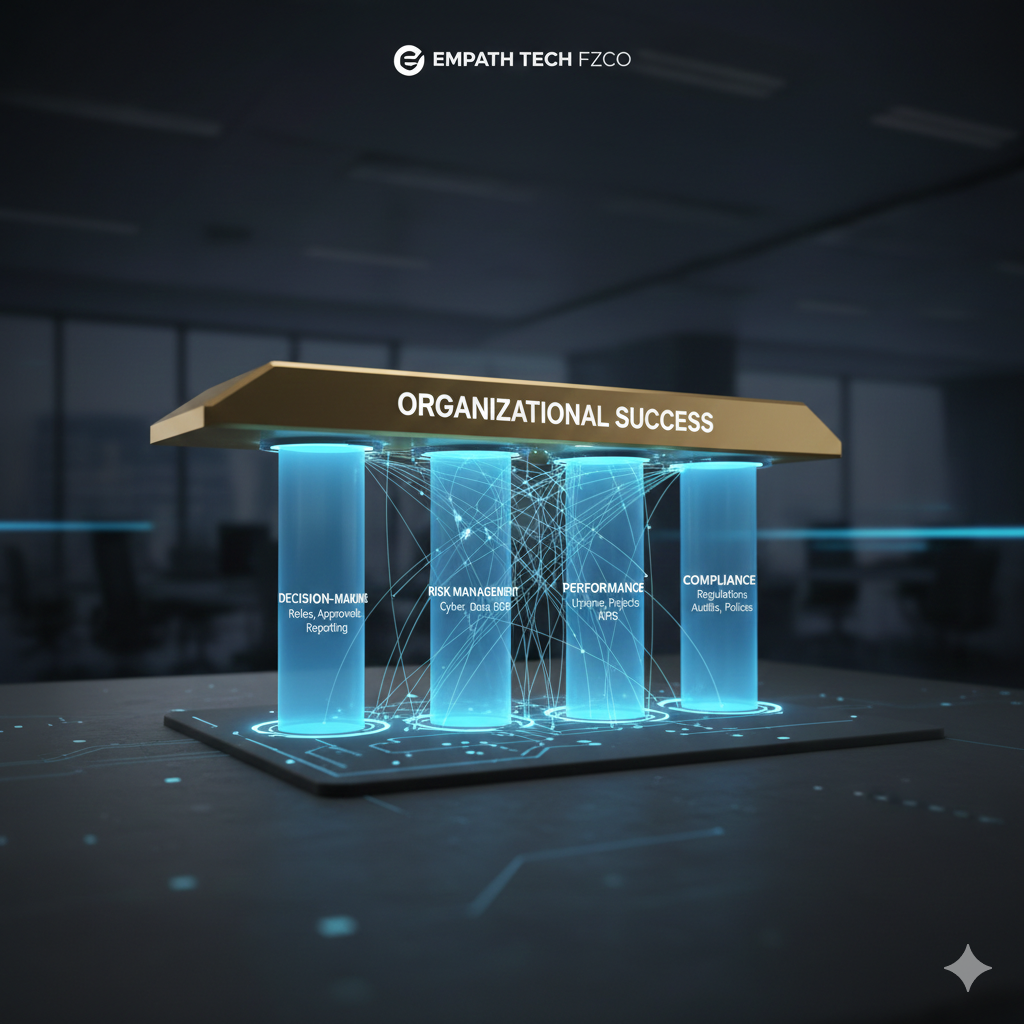
Implementing Effective Change Management
Controlled Change Deployment
Uncontrolled system changes are a major source of downtime. Structured change management includes:
- Change request documentation
- Risk assessment before deployment
- Scheduled maintenance windows
- Rollback procedures
Governed change processes reduce operational risk.
Minimizing Service Disruption
Testing changes in staging environments before production deployment ensures minimal disruption and improved reliability.
Leveraging Automation in IT Operations Management
Infrastructure as Code (IaC)
Automation simplifies infrastructure management. Infrastructure as Code enables:
- Consistent deployments
- Faster provisioning
- Reduced configuration errors
- Scalability across environments
Automation enhances operational efficiency.
Automated Monitoring and Remediation
AI-driven tools can automatically detect and resolve common issues, improving uptime and reducing manual workload.
Capacity Planning and Resource Optimization
Forecasting Future Demand
Growing businesses must anticipate resource needs. IT operations management includes:
- Performance analytics
- Usage forecasting
- Resource scaling strategies
- Cloud capacity planning
Proactive capacity planning prevents bottlenecks.
Cost Optimization Strategies
Efficient operations balance performance with cost. Practices include:
- Eliminating unused resources
- Optimizing cloud usage
- Monitoring budget allocations
Financial oversight strengthens sustainability.
Strengthening Cybersecurity Within IT Operations
Integrating Security into Daily Operations
Security must be embedded within IT operations management through:
- Continuous vulnerability scanning
- Patch management programs
- Access control monitoring
- Secure configuration standards
Operational security reduces exposure to cyber threats.
Incident Response Preparedness
Preparedness includes:
- Documented response plans
- Regular testing and simulations
- Defined communication protocols
Integrated security enhances resilience.
Supporting Business Continuity and Disaster Recovery
Backup and Recovery Planning
Stable IT operations require robust backup systems such as:
- Automated data backups
- Geo-redundant storage
- Rapid restoration procedures
Backup strategies, aligned with comprehensive business continuity planning within IT operations, minimize downtime and protect critical services.
Disaster Recovery Testing
Regular testing ensures recovery plans function effectively during emergencies.
IT Service Management (ITSM) Best Practices
Adopting Structured Frameworks
Many organizations implement frameworks such as ITIL to standardize IT operations management processes, including:
- Incident management
- Problem management
- Change management
- Service request fulfillment
Structured frameworks improve consistency and performance.
Continuous Service Improvement (CSI)
Regular review cycles help organizations:
- Identify inefficiencies
- Improve service quality
- Enhance customer satisfaction
Continuous improvement fosters operational excellence.
Building a Skilled and Collaborative IT Team
Investing in Talent and Training
Skilled professionals are essential for effective IT operations management. Organizations should:
- Provide ongoing training
- Encourage certification programs
- Foster cross-functional collaboration
Human expertise strengthens technical capabilities.
Encouraging Communication and Transparency
Clear communication between IT teams and business stakeholders improves alignment and reduces misunderstandings.
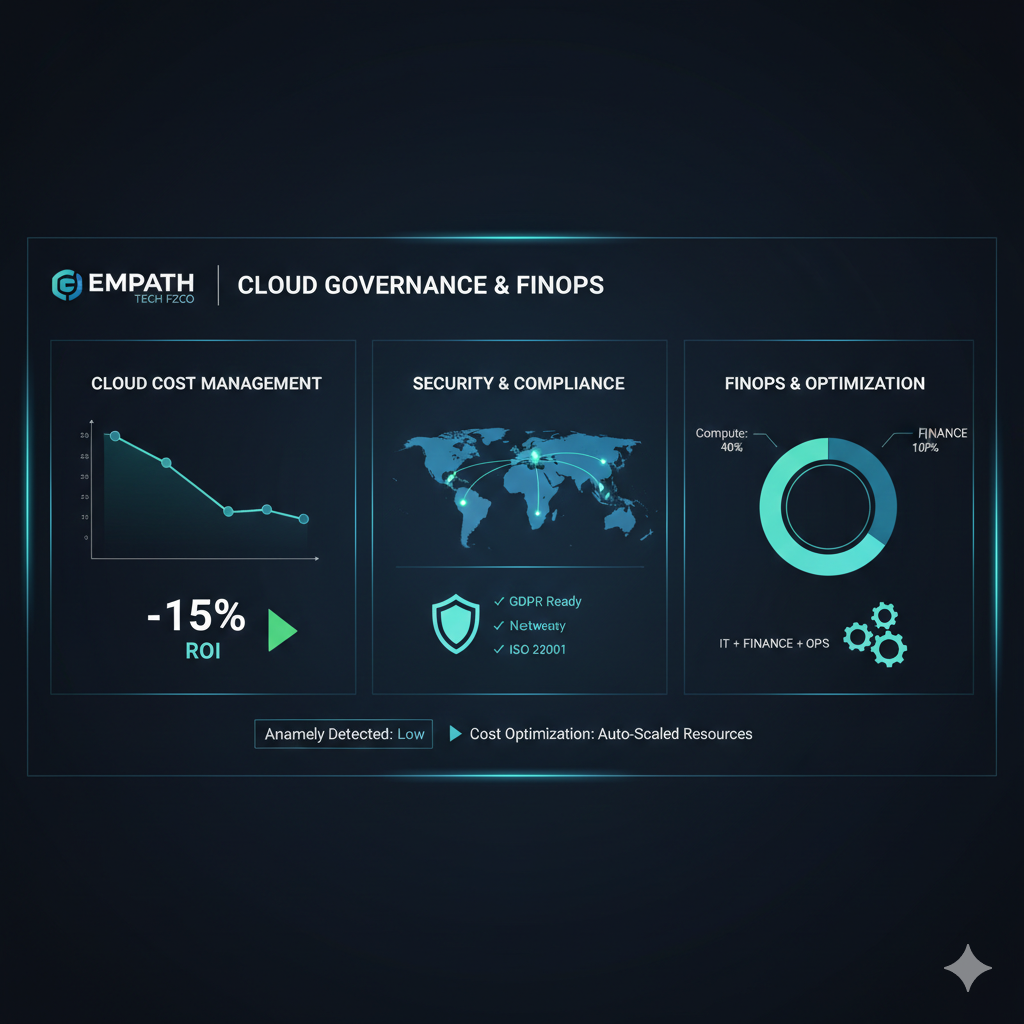
Measuring IT Operations Performance
Key Performance Indicators (KPIs)
To evaluate IT operations management effectiveness, businesses should track:
- System uptime percentage
- Mean time to detect (MTTD)
- Mean time to resolve (MTTR)
- SLA compliance rates
- Change success rate
Metrics provide visibility into performance trends.
Data-Driven Decision Making
Operational analytics help leadership identify areas for optimization and prioritize strategic investments.
The Strategic Value of Strong IT Operations
Improved IT operations management delivers:
- Increased system reliability
- Reduced downtime costs
- Enhanced cybersecurity posture
- Greater customer trust
- Improved regulatory compliance
- Sustainable scalability
Operational stability becomes a competitive advantage.
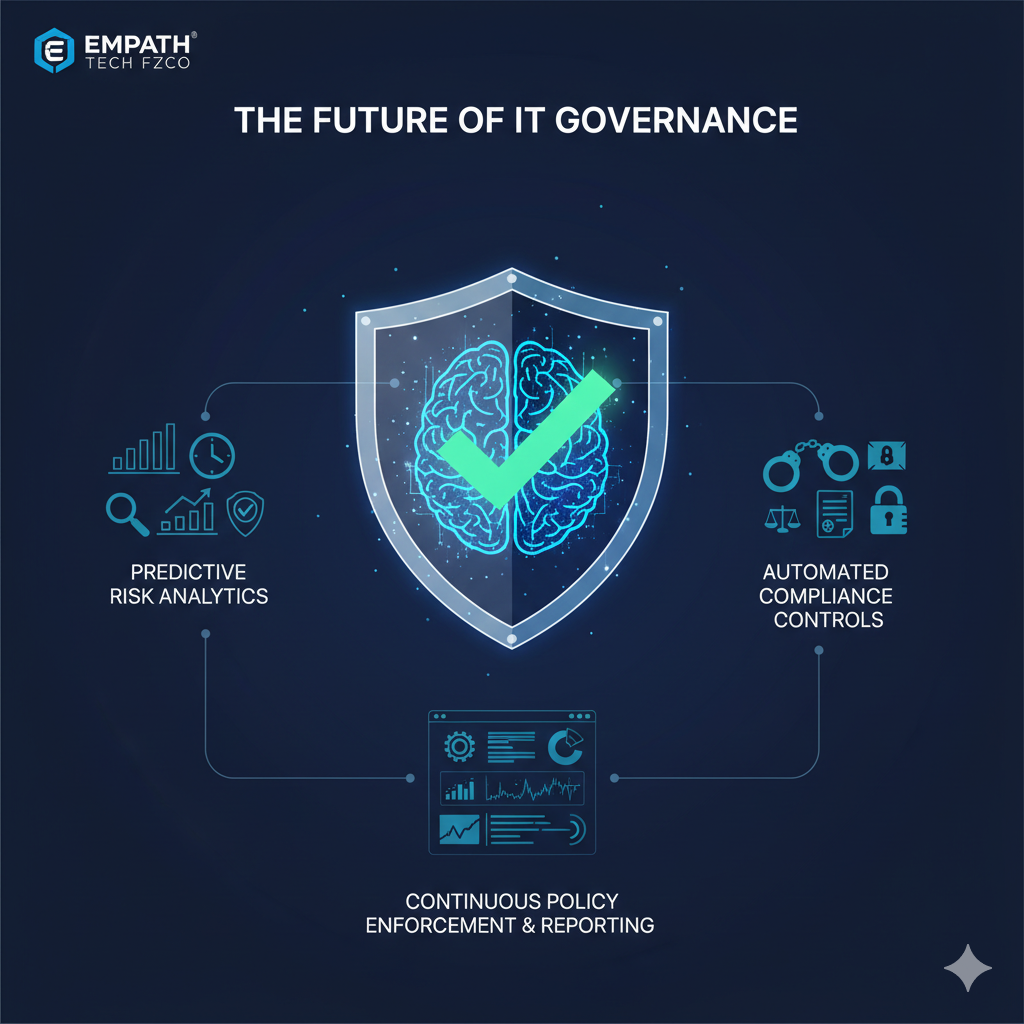
The Future of IT Operations Management
Emerging technologies are reshaping IT operations, including:
- AI-driven automation
- Predictive analytics
- Autonomous remediation systems
- Integrated cloud-native monitoring
Organizations that embrace innovation within structured governance models will achieve superior stability.
Conclusion
In a digital-driven business landscape, stability depends on strong operational foundations. Effective IT operations management ensures infrastructure reliability, security resilience, financial efficiency, and continuous service delivery.
With strategic expertise from EMPATH TECH FZCO, enterprises can enhance IT operations management practices that align with long-term business objectives and operational excellence. By investing in proactive monitoring, automation, governance, and skilled teams, organizations can build a stable and scalable digital environment that supports sustained growth and resilience.